
The link between HiX and ConsultAssistent is now also running at Flevoziekenhuis
Digital healthcare only truly works when it supports doctors in the care process and is fully integrated with the EMR. At…
Less workload and a better consultation? With ConsultAssistent, patients answer relevant questions in advance. AI then turns those answers into a summary ready for the consultation. This way, you’ll have a more enjoyable consultation with more time for the patient and less paperwork.

ConsultAssistent is highly versatile: from cardiology and ENT to ophthalmology and gynecology. Each module aligns with the care pathway and the patient, so that care is organized more efficiently and more time is left for the consultation.








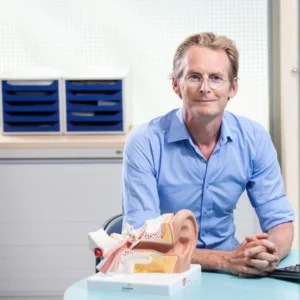
Because patients fill out the relevant questions at home beforehand, the consultation begins with everyone better prepared, leaving more time for in-depth discussion.
The medical history is shifting from during the consultation to before the consultation.

Relevant questions. At-a-glance overview.
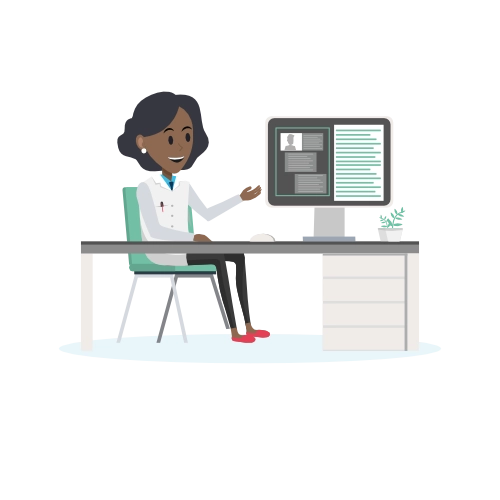
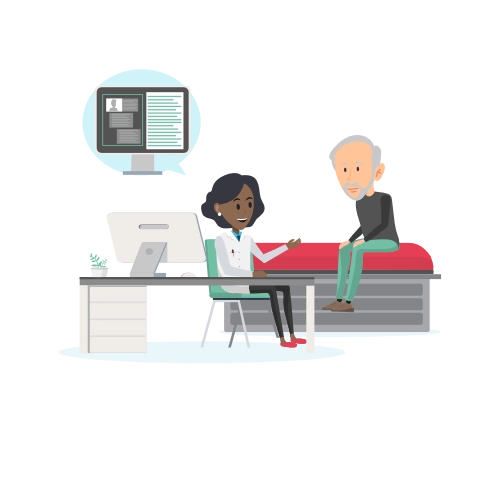
Before the consultation, patients answer questions tailored to their situation. ConsultAssistent automatically processes the answers into a structured report in the EHR, including the patient’s reason for the visit, symptoms, poisonings, allergies, and family history. AI summarizes this into a consultation-ready summary. The physician reviews the summary before it is entered into the EHR.
Systematic monitoring, integrated into the care pathway.
ConsultAssistent automatically sends follow-ups, PROMs, and PREMs at the appropriate points in the care pathway. PROMs are questionnaires in which patients report their own outcomes, while PREMs focus on their experiences with care. Outcomes and experiences are systematically recorded without creating any additional work for healthcare providers.
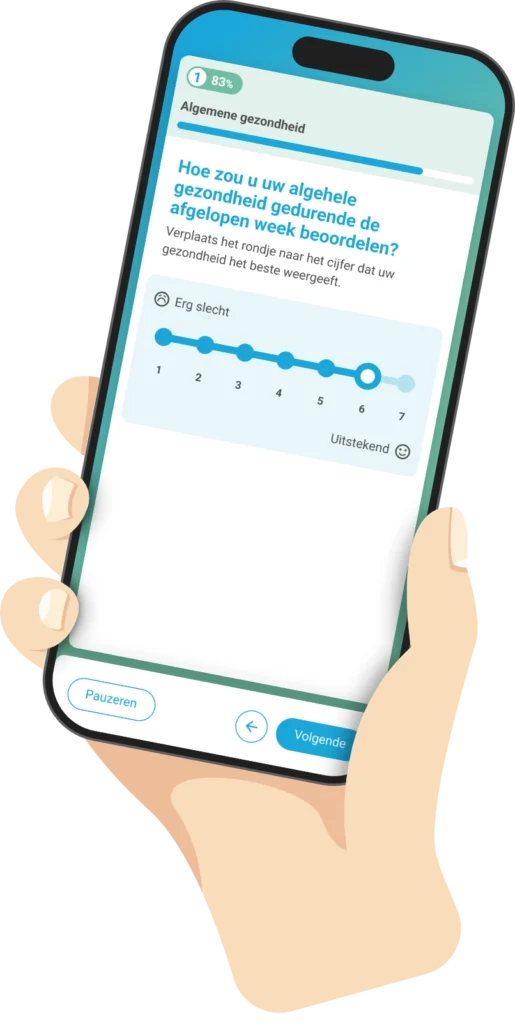
From outcome measurements to insights.
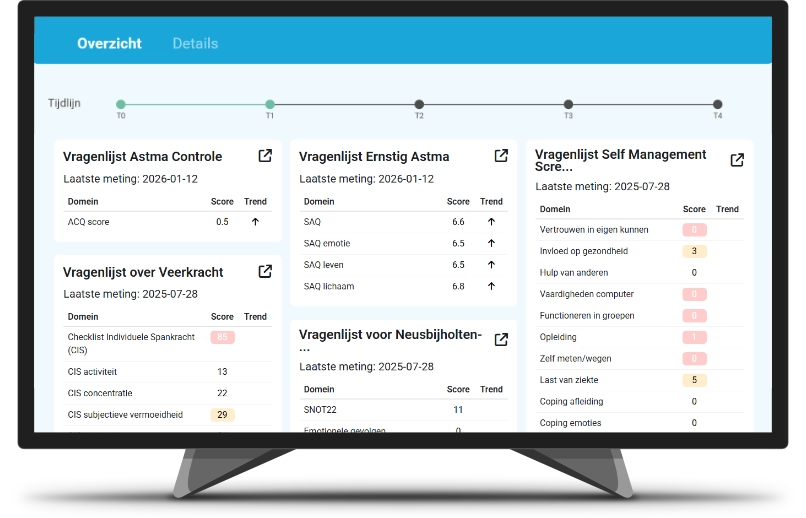
Healthcare providers can see at a glance what a patient reports regarding the progression of symptoms, health, and functioning. The dashboards support the conversation and shared decision-making.
Teams identify trends and differences among patient groups. This enables them to evaluate care processes, track improvements, and support policy decisions.



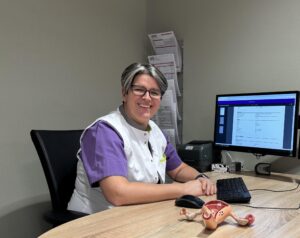
Thanks to digital auto-anamnesis, we begin every consultation with a clear overview of the patient’s presenting concern and what truly matters to her. This not only makes for a more efficient consultation, but also allows for more time, better care, and, above all, a patient who feels heard and seen.

A pre-filled medical history form for automotive patients gets our consultation right to the point, which leads to a better conversation and a more efficient consultation. Now, I really miss it when a patient hasn't filled it out.
Read about why ConsultAssistent works in practice.
News about ConsultAssistent and digital healthcare.
Digital healthcare only truly works when it supports doctors in the care process and is fully integrated with the EMR. At…
Following a successful launch of the gynecology module, in which two care pathways were implemented, ConsultAssistent has now been expanded, and the automated medical history…
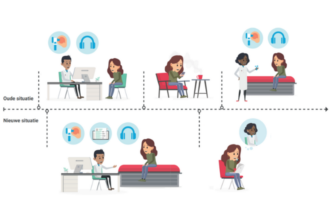
ConsultAssistent improves the traditional hearing screening process at the audiologist's office with digital, remotely evaluated hearing screening. Patients with hearing problems go…
ConsultAssistent helps healthcare providers prepare for and follow up on consultations. Through a digital auto-anamnesis, it collects relevant patient information in advance. It also supports triage and AI-assisted reporting. For follow-up and outcome measurement, it sends patients new invitations at agreed-upon times.
A " digital auto-anamnesis " is a smart, healthcare-specific, and adaptive questionnaire. The follow-up questions adapt to the patient's previous answers and gather targeted medical information for the consultation. A standard questionnaire is usually static and asks every patient the same questions. Learn more about digital auto-anamnesis.
PROMs (Patient-Reported Outcome Measures) measure how patients perceive their health, functioning, and quality of life. PREMs (Patient-Reported Experience Measures) measure their experiences with healthcare. Healthcare providers use the results in patient consultations and in shared decision-making. At the group level, they support quality improvement and provide insight into treatment outcomes. Learn more about PROMs and PREMs.
Yes. ConsultAssistent integrates with electronic health records (EHRs) such as HiX, Timeff, and Nexus, using HL7 v2 and FHIR, among other protocols, for data exchange. The structured report is sent directly to the EHR. After the physician reviews it, the AI summary is also added to the EHR. This allows healthcare providers to stay within their existing workflow and avoid duplicate data entry. Learn more about EHR integration.
Outcome Measurement B.V. is certified to ISO/IEC 27001:2022 and NEN 7510:2024. Patient data is hosted in the Netherlands and protected through measures such as encrypted connections, access control, and logging. The healthcare institution remains the data controller and determines who has access within the established procedures. Learn more about compliance and legislation.
Find out how healthcare providers can access relevant patient information before appointments and spend less time on routine questions and documentation. Request a demo or discuss the options for your hospital or clinic.
Request a demo Get in touch