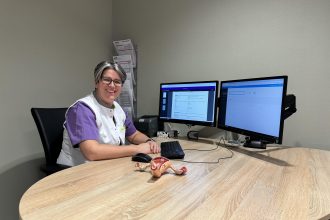
From time-consuming anamnesis to targeted gynecological consultations
Practice at the gynecology outpatient clinic
There are several challenges within gynecological practice:
- Complex medical history (fertility, hormonal treatments, obstetrics)
- Time-consuming reconstruction of the patient's medical history
- Long and in-depth consultations
- Discussing sensitive topics under time pressure
- Heterogeneous presentation of symptoms
- High workloads and staff shortages
- Growing demand for care and longer wait times
- Limited data for research
As a result, there is less time left for substantive assessment and treatment.
Preparing for a consultation with ConsultAssistent
Build trust even before the consultation by asking only relevant questions:
- Medical information collected in a structured manner, including complex medical history
- The consultation begins with a structured overview
- Less time needed for routine questions
- Sensitive topics can be answered in a private, unhurried setting at home
- Structured reporting on symptoms and their severity
- Less paperwork thanks to AI-powered reporting
- Understanding the progression and urgency of complaints
- A continuous flow of structured healthcare data
Learn more about ConsultAssistent's digital auto-anamnesis.
Initial complaints in gynecology module
The gynecology auto-anamnesis module is available to the entire patient population and supports, among other things:
- Abdominal pain
- Menopausal symptoms (menopause)
- Dyspareunia (pain during intercourse)
- Endometriosis
- Fertility wish, subfertility, and recurrent miscarriage
- Abnormal test result
- Postmenopausal bleeding
- Prolapse symptoms
- Vaginal discharge or irritation
- Abnormal Pap smear
- Contraception (counseling, IUD, implant, sterilization)
- Urinary symptoms
- Menstrual and cycle problems (including bleeding during sexual intercourse)
The questionnaire structure is adaptive and adjusts based on the answers provided and each patient's profile.
Thanks to digital auto-anamnesis, we begin every consultation with a clear overview of the patient’s presenting concern and what truly matters to her. This not only makes for a more efficient consultation, but also allows for more time, better care, and, above all, a patient who feels heard and seen.
The gynecology care pathway
ConsultAssistent supports the care pathway before, during, and after the consultation.
1
Before the consultation
The patient completes the digital auto-anamnesis in advance based on the reason for referral. This provides insight into the combination of medical, hormonal, and personal factors related to the patient's symptoms, medication, menstrual cycle, gynecological history, and presenting concern. Digital auto-anamnesis helps to carefully and systematically document this information in advance.

2
During the consultation
The gynecologist has a structured overview of:
- Symptoms and their progression
- VAS scores for symptom burden
- Medication use
- Menstrual cycle and hormone-related data
- Gynecological history
- Risk factors and red-flag symptoms
- The patient's presenting concern
The patient is better prepared, making the consultation more focused and efficient. The data is automatically processed into a structured report in the EMR. In addition, a consultation-ready, AI-generated medical summary is available.

3
After the consultation
Follow-up and outcome measurements are used to monitor symptoms and treatments, for example, in cases of chronic conditions or fertility treatments. Results are displayed in clear, easy-to-read dashboards that highlight trends and make it easy to track changes over time. These structured data provide insights into patient groups and can be used to develop decision support tools.
In the field of gynecology, this contributes to a better understanding of treatment pathways and patient outcomes.
Curious to know how this works in your gynecology practice?
Request a demo
PROMs and outcome measures in gynecology
The gynecology module includes, among others:
- Gynecologic Oncology (DICA)
- Pregnancy and Childbirth (ICHOM)
Is your preferred PROM questionnaire not listed here? If so, we can add it to our library. The PROM questionnaires can be integrated into digital auto-anamnesis or the follow-up process, or they can be sent separately at the appropriate time—for example, before, during, and after treatments.
How does this benefit the gynecology practice?
- Spend less time on a detailed anamnesis
- More efficient consultations
- More time for conversations with patients
- Better preparation for both the patient and the doctor
- Less administrative burden
- Improved monitoring of symptoms and treatments
- Greater insight into outcomes and progression

FAQ about the gynecology module
How does digital auto-anamnesis help with gynecological consultations?
Patient information is collected in advance, which reduces the time needed to take a medical history and allows the consultation to begin immediately with the patient's presenting concern.
How is sensitive information handled?
Patients fill out the information in advance in their own safe environment. This often gives them more space to answer questions about sensitive topics at their own pace.
Which symptoms can be assessed digitally in the gynecology module?
These include menstrual problems, abdominal pain, fertility issues, prolapse symptoms, and menopausal symptoms. The self-assessment questionnaire is available to the entire patient population.
Can digital auto-anamnesis help with fertility treatments?
Yes, because a detailed medical history and previous treatments are available in advance, the consultation can be tailored more effectively.
How are PROMs used in gynecology?
PROMs are used to measure symptoms and outcomes before, during, and after treatment, as well as during follow-up.
Related posts

Get in touch
Curious to find out how ConsultAssistent can help with consultation preparation in your gynecology department? Give us a call or send us an email. We’d be happy to work with you to develop your care pathway and workflow.